



Why Small Life Sciences Teams Need a RIM System
Small pharmaceutical and biotechnology companies face the same regulatory expectations as large global enterprises, but with significantly fewer internal resources.
Regulatory teams must manage:
- Global product registrations
- Regulatory submission timelines
- Health authority correspondence
- Post-approval commitments
- Inspection readiness
Without a centralized regulatory platform, many companies rely on spreadsheets, shared drives, and manual tracking systems. This approach increases regulatory risk, reduces visibility, and slows submission readiness.
A modern regulatory information management (RIM) system helps small life sciences teams manage regulatory complexity more efficiently.
Key Capabilities to Look for in a RIM System for Small Life Sciences Teams
When evaluating what’s the best RIM system for small life sciences teams, organizations should prioritize several critical capabilities.
Centralized Regulatory Data Management
The best RIM systems create a single source of truth for regulatory data.
This includes connecting:
- Products and substances
- Submissions and approvals
- Global registrations
- Variations and commitments
- Health authority communications

Centralized data improves regulatory visibility and helps teams respond faster to internal and regulatory inquiries.
Ease of Use for Lean Regulatory Teams
Small life sciences companies often lack large IT departments.
RIM platforms should therefore provide:
- Configurable workflows
- Role-based dashboards
- Automated submission reminders
- Clear lifecycle visibility
This enables lean teams to manage regulatory processes without relying on heavy customization.
Scalability for Growing Pharma and Biotech Pipelines
As life sciences companies expand product pipelines and enter new markets, regulatory complexity increases.
The best RIM platforms support:
- Multi-country product registrations
- Lifecycle regulatory tracking
- Post-approval variations
- Expanding submission portfolios
This scalability prevents organizations from needing to replace regulatory systems as they grow.
Why Ennov RIM Is a Strong Choice for Small Life Sciences Teams
When organizations evaluate what’s the best RIM system for small life sciences teams, Ennov RIM is often considered a strong option because it balances enterprise-level functionality with usability for lean teams.
Ennov RIM allows regulatory teams to:
- Manage global regulatory submissions
- Centralize regulatory information
- Track commitments and correspondence
- Maintain full regulatory lifecycle visibility

Because the platform is designed specifically for life sciences companies, it aligns well with regulatory workflows and industry requirements.
Integrated Regulatory Ecosystem
Ennov RIM integrates with additional regulatory and quality capabilities, including:
- Regulatory information management
- Document management
- Dossier publishing
This integrated approach reduces manual data entry and eliminates silos between regulatory and quality teams.
Cloud Deployment for Small Biotech Companies
Cloud deployment is particularly beneficial for small life sciences organizations.
Benefits include:
- Faster implementation
- Reduced infrastructure costs
- Lower IT overhead
- Secure validated environments
This allows smaller companies to adopt enterprise-grade regulatory technology without heavy infrastructure investments.
Why Many Small Pharma and Biotech Companies Choose Ennov RIM
Small and mid-sized life sciences companies choose Ennov because it offers:
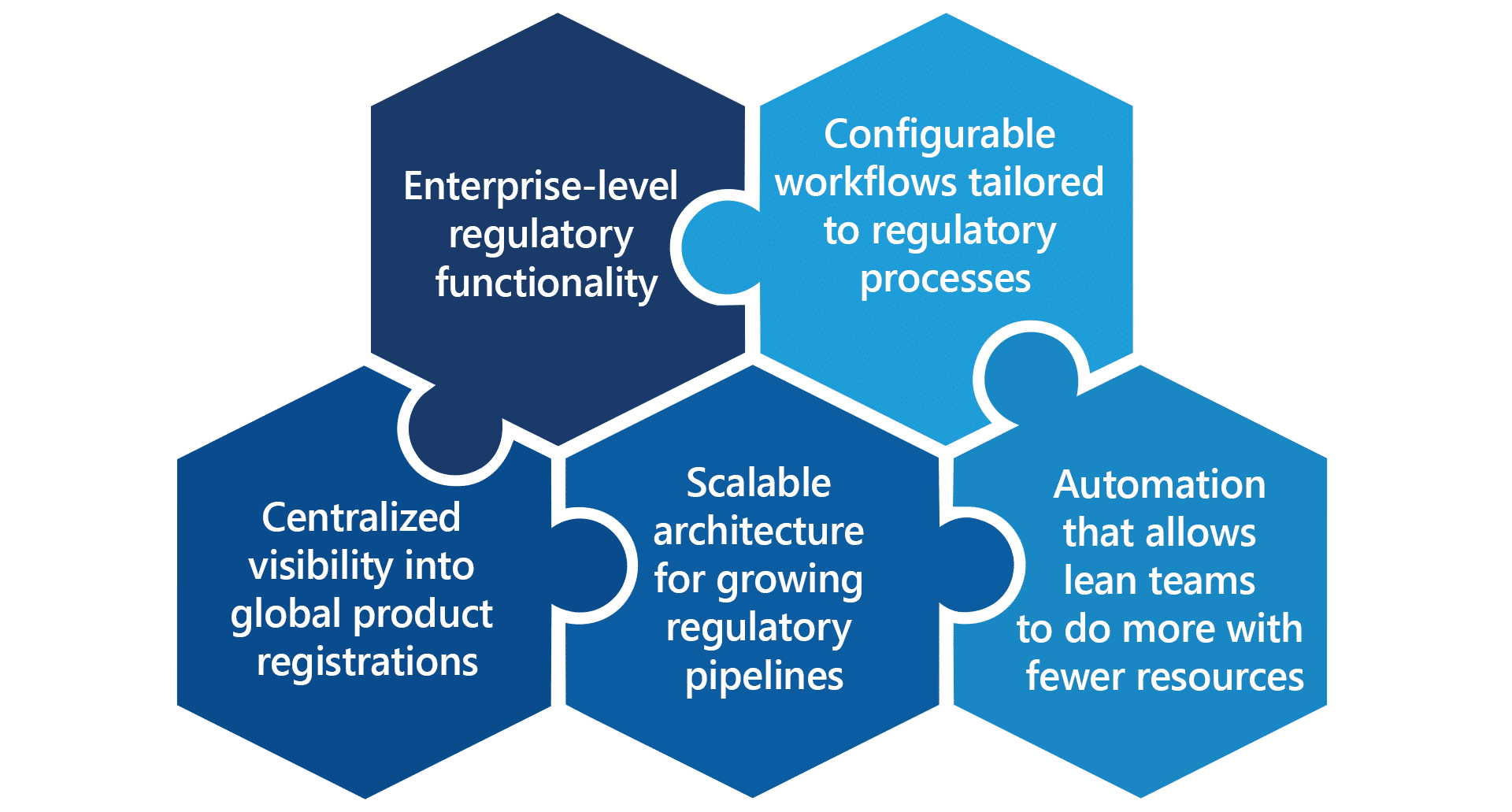
- Enterprise-level regulatory functionality
- Configurable workflows tailored to regulatory processes
- Centralized visibility into global product registrations
- Scalable architecture for growing regulatory pipelines
- Automation that allows lean teams to do more with fewer resources
For growing companies, this combination provides the structure needed to manage regulatory operations confidently.
Final Thoughts
For organizations asking what’s the best RIM system for small life sciences teams, the answer often comes down to scalability, ease of use, and regulatory alignment.
Small pharmaceutical and biotechnology companies need a regulatory platform that supports compliance while remaining practical for lean teams.
Ennov RIM offers a balanced solution by providing centralized regulatory data management, configurable workflows, and scalable architecture designed for life sciences organizations.
For companies moving beyond spreadsheets and fragmented tracking systems, implementing a modern RIM platform can become a key step toward long-term regulatory excellence.
The best RIM system for small life sciences teams is one that combines regulatory data centralization, scalability, and ease of use without requiring large IT resources.
Small pharmaceutical and biotech companies typically look for a RIM platform that can:
- Manage global product registrations
- Track regulatory submissions and timelines
- Maintain structured regulatory data
- Prepare teams for inspections and audits
- Scale as pipelines and regulatory complexity grow
Platforms like Ennov RIM are designed specifically for life sciences companies and provide configurable workflows, cloud deployment options, and integrated regulatory data management that support lean regulatory teams.