

If you work in Regulatory Affairs, you’ve probably experienced this: a change gets approved in Quality, and weeks later, Regulatory is still trying to track down what happened, when, and what it impacts.
Or an artwork update moves forward, only for someone to realize the approval for a related variation was never received.
These aren’t rare edge cases. They’re symptoms of a broader structural issue: disconnected systems, duplicated data, and siloed teams.
So, it’s worth asking the question: What if everything was connected?
What if change control, regulatory planning, and artwork management were part of the same ecosystem, not separate workflows held together by email threads and spreadsheets?

The Cost of Disconnection
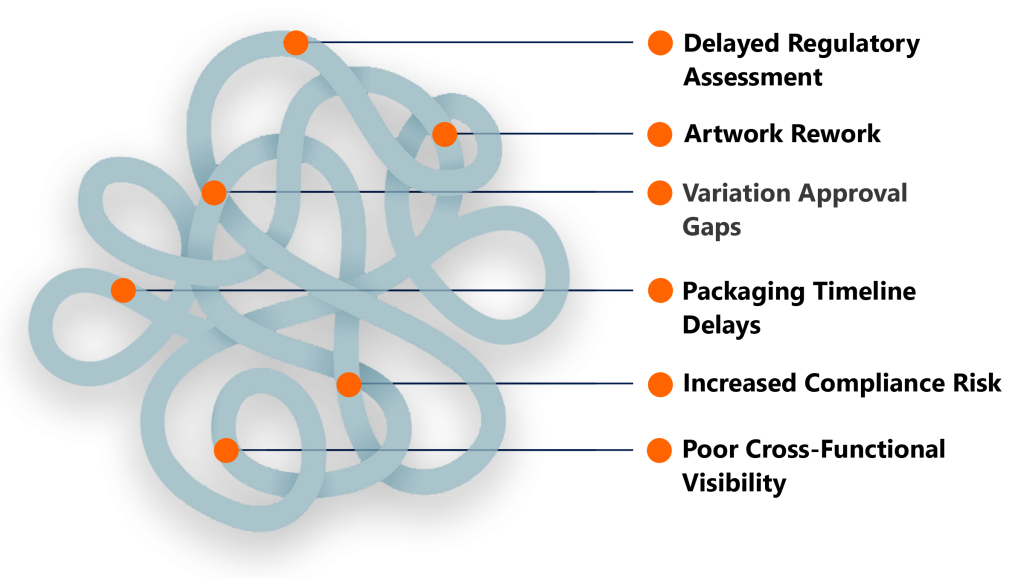
Today, even small changes ripple unpredictably across teams. A formulation tweak in Quality might require a variation in Regulatory, which then triggers new labeling, which in turn affects packaging timelines. Each step is linked, but the systems we use often aren’t.
And that creates risk.
When data lives in silos, handoffs become slow, manual, and error-prone. Decisions are made without full visibility. By the time the right team sees the impact, deadlines have slipped and rework has begun.
Imagining a Connected Model
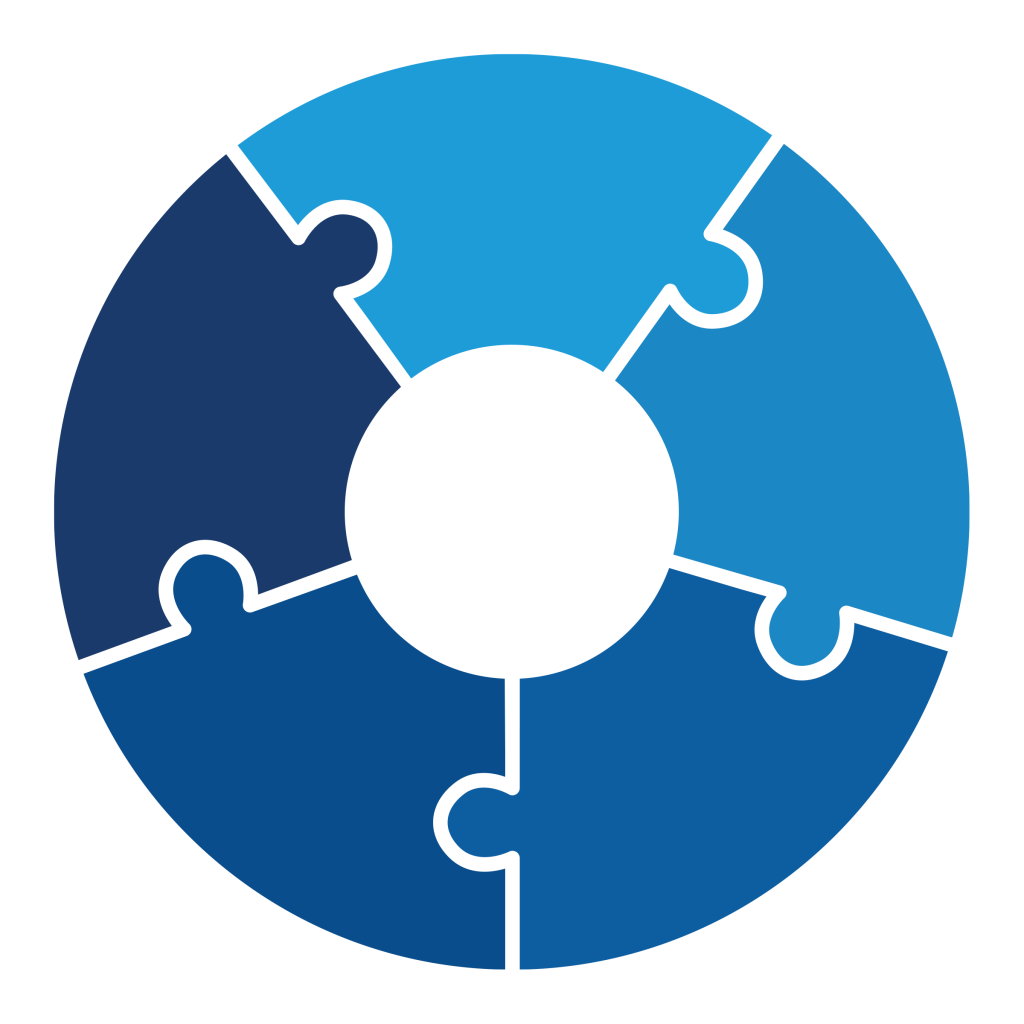
Now imagine something different. A system where your change control record automatically flags impacted product licenses, launches a regulatory planning workflow, and syncs relevant data with your artwork team.
Everyone sees the same data, from the same source. Nothing gets lost in translation.
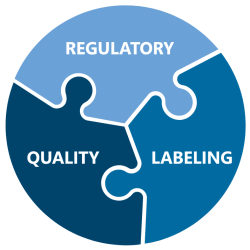
This isn’t science fiction. It’s already happening in some organizations that have embraced unified platforms for Regulatory, Quality, and Labeling. By designing shared workflows and data models, they’ve gained traceability across the entire change lifecycle, from initiation to implementation. They’ve learned a few key lessons along the way:From Theory to Practice
• Build flexible workflows that reflect how people actually work.
• Engage stakeholders early, especially when ownership spans multiple functions.
• Focus on value beyond compliance: speed, visibility, risk reduction.
So, What’s Next?
For many of us, the idea of end-to-end connectivity is still aspirational. But it’s no longer out of reach.
As IDMP, ePI, and AI-driven automation push us toward more structured, transparent regulatory systems, the pressure to align internal processes will only grow. And the more fragmented those processes are, the harder it will be to keep up.
Connecting your change control, regulatory, and artwork workflows isn’t just a digital transformation goal. It’s a strategic shift toward faster, safer, and more reliable product updates.
Because when everything is connected, change doesn’t have to be so hard.